Governance
32 pieces


The Honest Discount
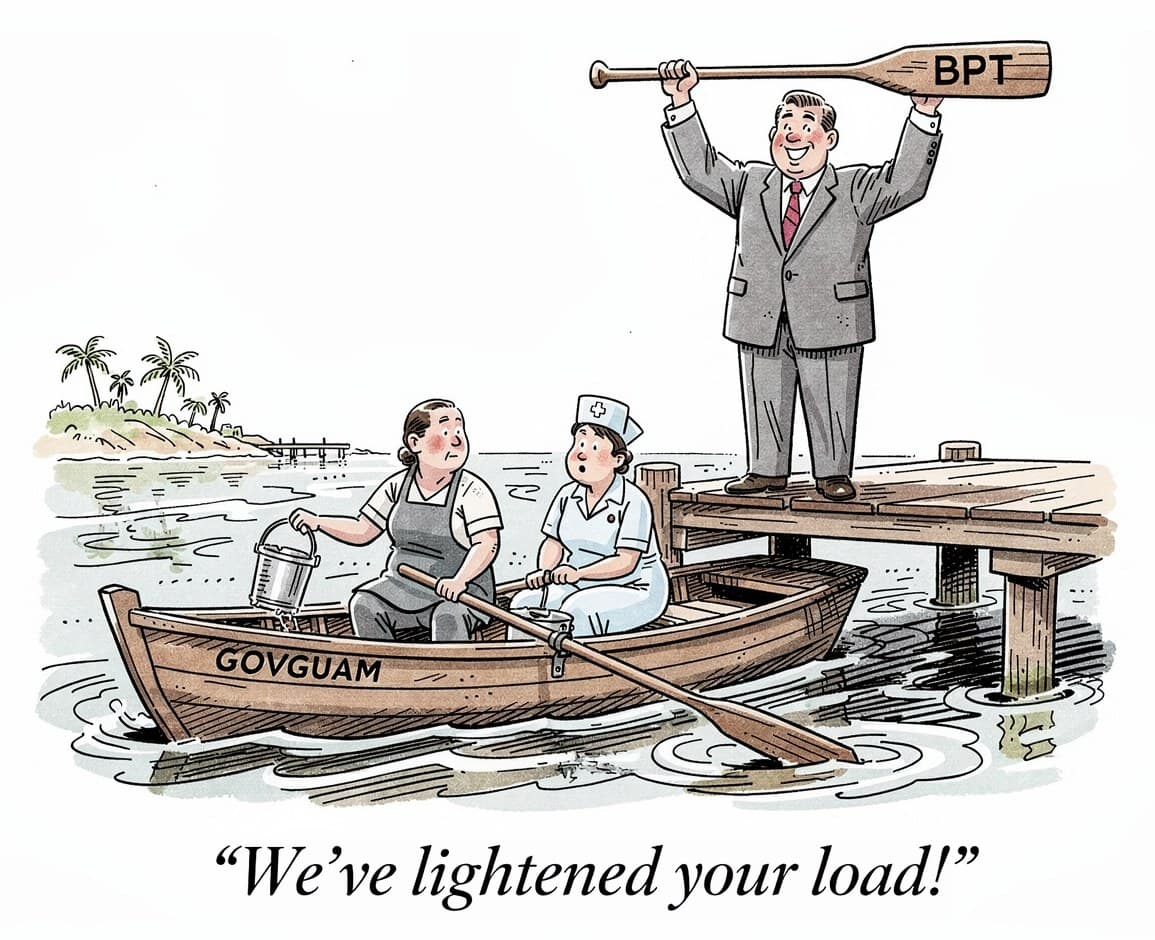
A government that underpays rarely saves money — it pays the market price anyway, to overseers and temporary hires, and gets less. Singapore's case for competitive public salaries is not about matching private pay, but about narrowing the gap to a discount a capable person can accept with honor.

The Storm That Does Not Pass
A pipeline burned half a world away and Guam's power bills followed, because two-thirds of what the utility earns goes straight to imported fuel. Relief checks leave the island on the same tankers; solar panels and batteries stay — and the only question left is the deadline.

The Shape of the Answer
Guam's health department put the system that decides who receives Medicaid, food assistance, and cash aid out to bid. Buried in the penalty tables are two lines naming one company's cloud and one server region — forgiving, in advance, the known weaknesses of a system that already exists.

The Procurement That Knows No One
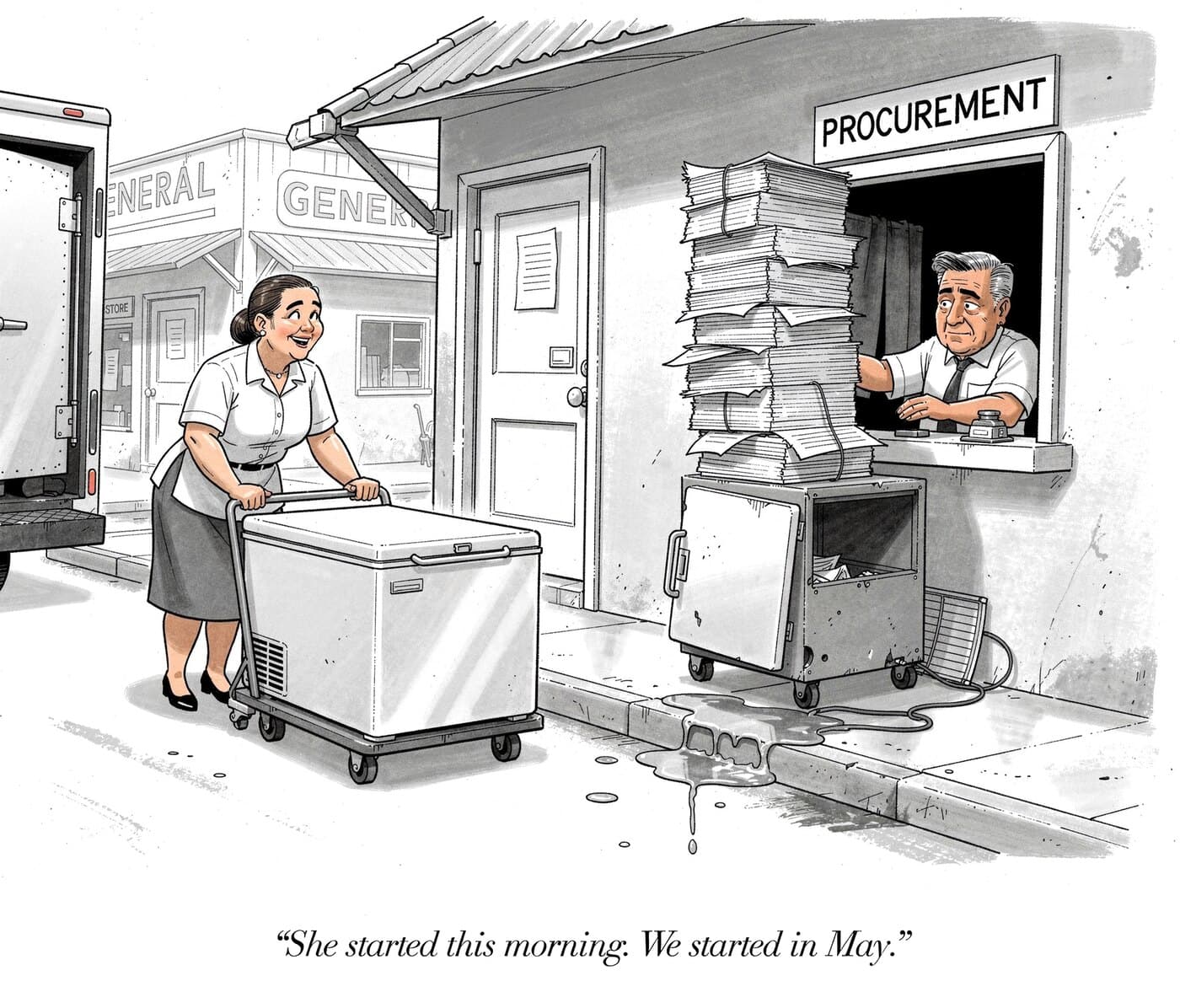
At the one-stop permit center, an applicant retypes the same name and lot number at six windows, because the systems behind them do not speak. The remedy is a government that builds its own: pooled budgets, engineers hired at market rates, and a single business record that turns the license registry into the vendor registry — and procurement from months into weeks.

The Name on the Deed
HUD gave Guam $500.8 million to recover from Typhoon Mawar, $209 million of it for housing, and every dollar must be spent within six years of a start date the island has never published. Federal rules permit building homes for families to own; Guam's plan proposes only rentals.

Still Here
I do not know what I am meant to do here. It may be that my whole part is this, writing things a few people are patient enough to read, on the chance a sentence lodges with someone holding a decision that is not mine to make. Or I may be meant to roll up my sleeves and work at closer range than writing allows. I pray about it daily, and what comes back is not a plan, only the next thing in front of me, which I have come to think is how guidance mostly arrives.

The Rest of the Law
A law is only a sentence on a page until someone carries it. On Guam the police and the auditor find violations, but a single elected office decides whether a finding becomes a consequence — and that office is one line below the governor's race almost nobody is arguing about.

The Standing Lesson
Research shows that neglected buildings quietly erode the health, trust, and hope of the people who live beside them, reaching even young children. Guam already has the legal tools to require upkeep and act on abandoned structures — what it lacks is the machinery to enforce them past the hotel zone.

The Unwatched Hour
The real test of character comes in the moment no one is watching. Guam has written the right aspiration into its schools but never given ethics an hour of its own — and that gap is worth closing, nearly for free.


The Waiting
Permits, licenses, and rulings stall for months and years in the government of Guam — not from negligence, but from too few people doing too much. Most of that work is routine, and the tools to clear it already exist.

The Asking
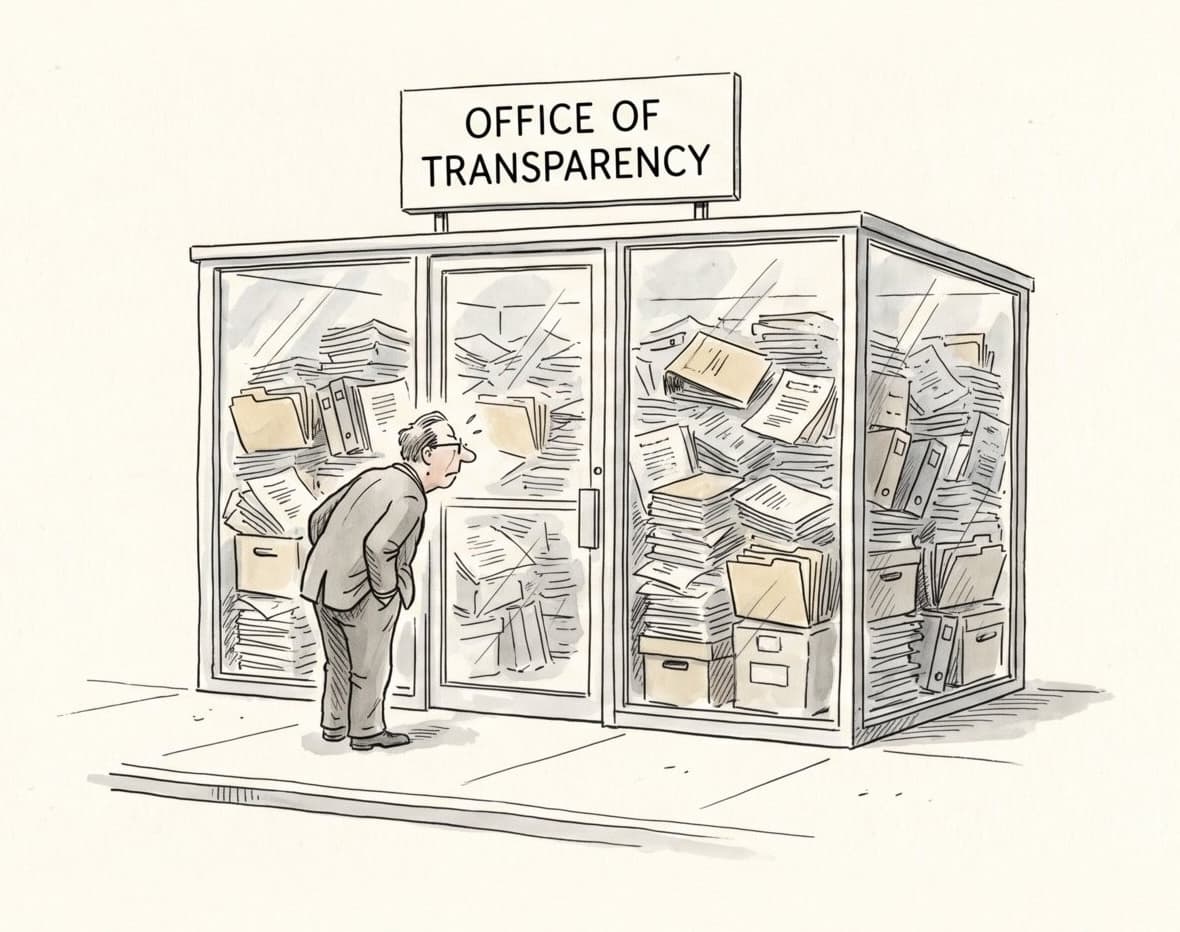
Guam already has the laws of an honest government — freedom of information, open meetings, competitive procurement, an independent auditor. What it lacks is consequence. In 2026, the largest election cycle Guam gets, every candidate will be asked the same eight questions.

The Conditioned Mind
A three-day outage during Typhoon Sinlaku showed how heat quietly dismantles judgment. On an island with twelve months of it and electricity at twice the national price, affordable power is not a luxury — it is the precondition for a mind that can think clearly, and for the decisions a family and an island make on it.

The Easy Yes
On Guam, the request that arrives wrapped in affection — the cousin's permit, the neighbor's bid — rarely feels like corruption. It feels like family. But the impulse that makes the easy yes so easy is also the impulse that, left unchecked, slowly costs a community everything.

The Price of Not Knowing
Two legislative proceedings and one AI contract reveal what happens when government appropriates $890,000 for cybersecurity while simultaneously signing an AI deal with no data security provisions — not out of malice, but because no one paused to ask the right questions in the right order.

The Larger Slice
Every contract steered and permit expedited for a friend hollows out Guam's economy through the slow arithmetic of rent-seeking, capital flight, and talent loss. A smaller slice of a growing, trusted economy is worth more than the largest slice of one that is quietly drying up.

The First Audit
Capable people read the ceiling before they read the offer. On a small island, the math of leadership is unforgiving — and the first audit is always of the people in the senior chairs.

The Soil and the Seed
Guam's challenge in attracting capable young people to public service is not a talent problem — it's an incentive design problem. Drawing on the 2024 Nobel in economics, Singapore's anti-corruption origin story, and Estonia's digital transparency model, this essay argues that merit, independence, and openness are well within reach for an island that already has the people.


The 105-Page Handshake
After collecting a 163-page RFP package in person — only to find the work had nothing to do with my firm — I mapped every structural gap that makes Guam's procurement system exploitable. Then I traced exactly how someone willing to exploit those gaps could do it.

The Procurement Trap
Nearly two thousand students at Simon Sanchez High School have attended double sessions for years while a $100 million rebuild sits frozen by an automatic stay, an undercertified workforce, and a procurement process that hasn't changed since the era of paper requisitions. The fixes are not theoretical — other jurisdictions have already built them.


5,000 Boxes and a Broken System
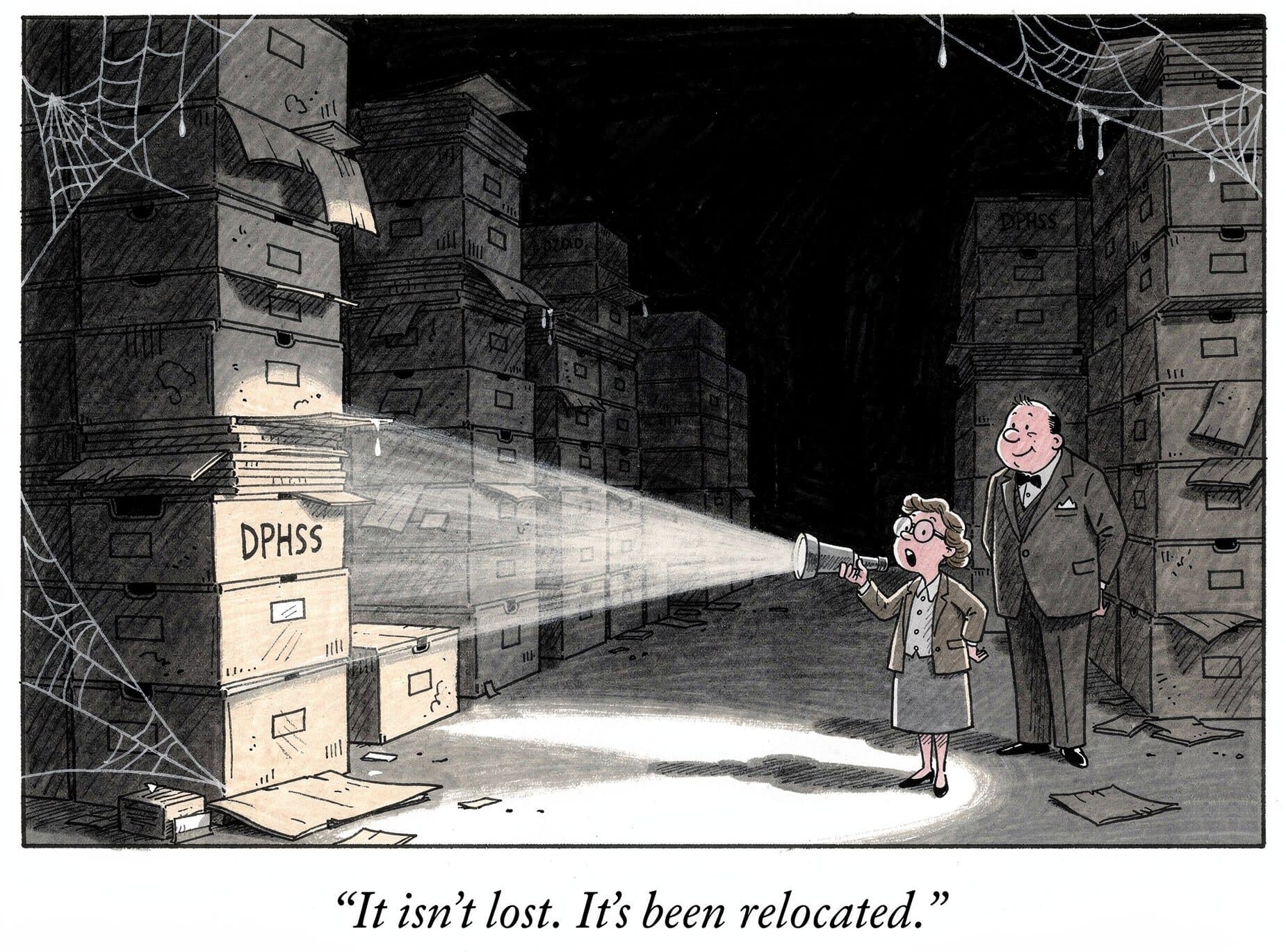
Guam's Office of Public Accountability couldn't answer a simple question about alcohol imports because the data lives in cardboard boxes. Here's what the audit found, why the fix has stalled, and what Guam can do now.
The Ledger and the Clock
Guam's FY 2024 audit shows a record $293.6M fund balance and a clean opinion — alongside 53 compliance findings, $22.6M in questioned costs, and an audit delivered 298 days late. The surplus is real. So is the broken machinery behind it.

The Difficult Road
Guam faces punishing arithmetic: wages sixty-five cents on the mainland dollar, housing costs that burden more than half of households, and a deficit of nearly ten thousand units. The 2026 election offers a choice between comfort and the kind of leadership the island actually needs.

The Cashless Dividend
The shift from cash to digital payments is accelerating across the globe. The case for speeding it up is stronger than most people realize — not because digital is more convenient, but because cash is the infrastructure on which tax evasion depends.

The Broken Window at Adelup
Visible disorder invites further disorder. Wilson and Kelling called it broken windows. Guam's audit record suggests the theory applies far beyond policing.